
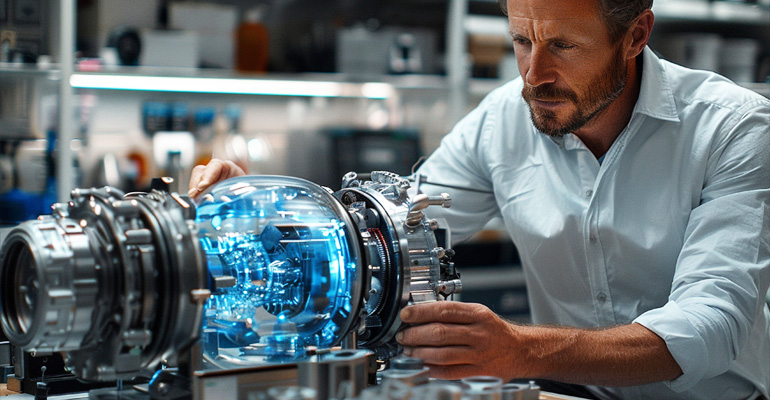
Automation is transforming industries by reducing manual effort, minimizing errors, and accelerating production. But not all automation is the same — different applications require different approaches. Here are the primary types of automation used today and how they work:
1. Fixed Automation
Used in mass production, fixed automation performs repetitive tasks with high precision. Once programmed, it runs continuously with minimal change needed. Examples include assembly lines and packaging machinery.
2. Programmable Automation
Ideal for batch production, programmable automation allows equipment to be reconfigured for different products or processes. This flexibility makes it popular in industries like automotive and electronics manufacturing.
3. Flexible Automation
Flexible automation enables systems to quickly switch between tasks without major reprogramming. With advanced robotics and machine vision support, it’s commonly used in customized or mixed-product manufacturing.
4. Intelligent Automation
Powered by AI, machine vision, and analytics, intelligent automation goes beyond repetitive tasks — it makes decisions, identifies defects, adapts to changes, and improves processes automatically.
Automation works by integrating sensors, software, hardware, and control systems to execute tasks with minimal human intervention. As industries continue adopting Industry 4.0 technology, automation becomes essential for efficiency, consistency, and long-term competitiveness.

Leave A Comment